Concept – Space – Approach
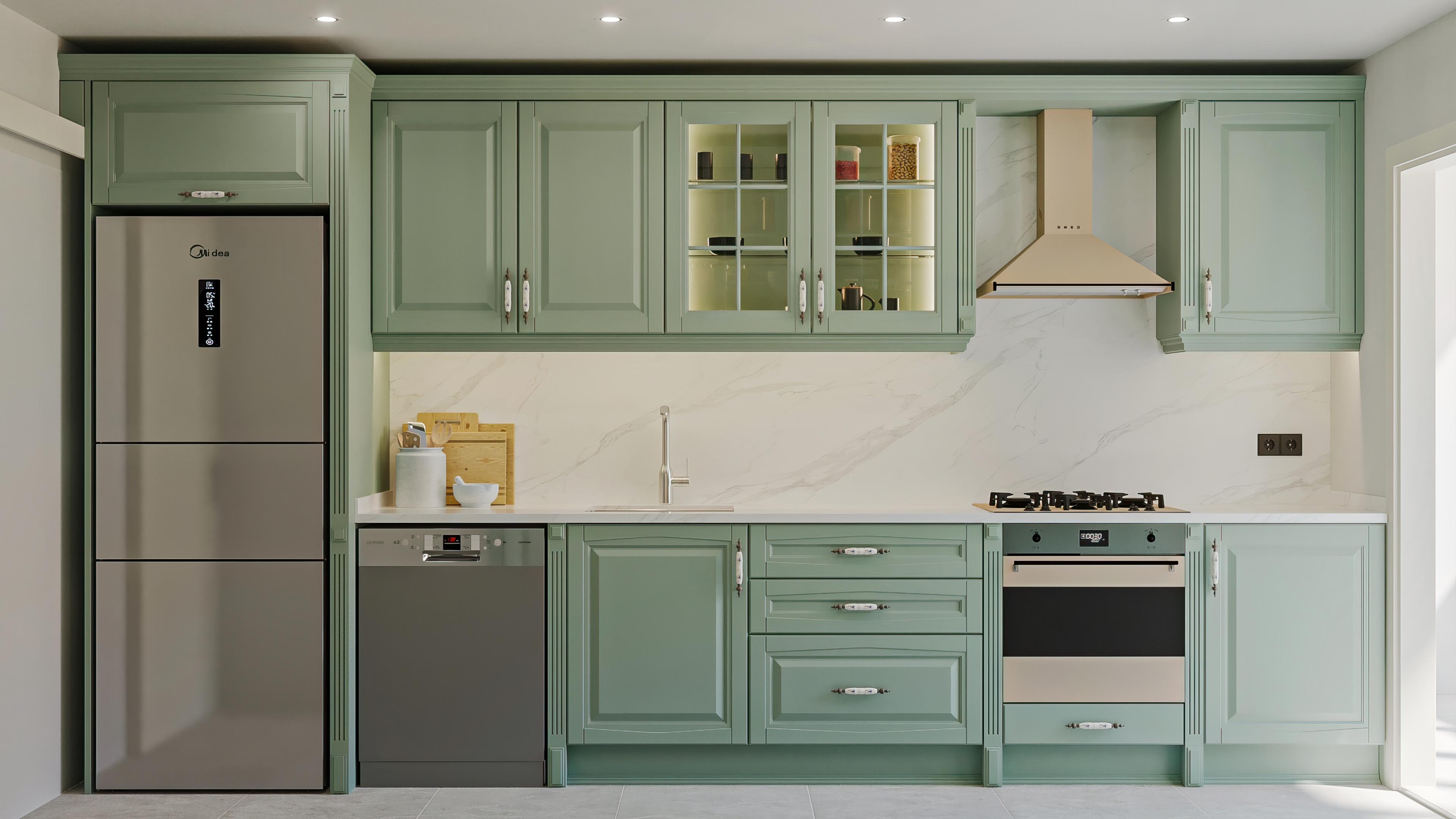
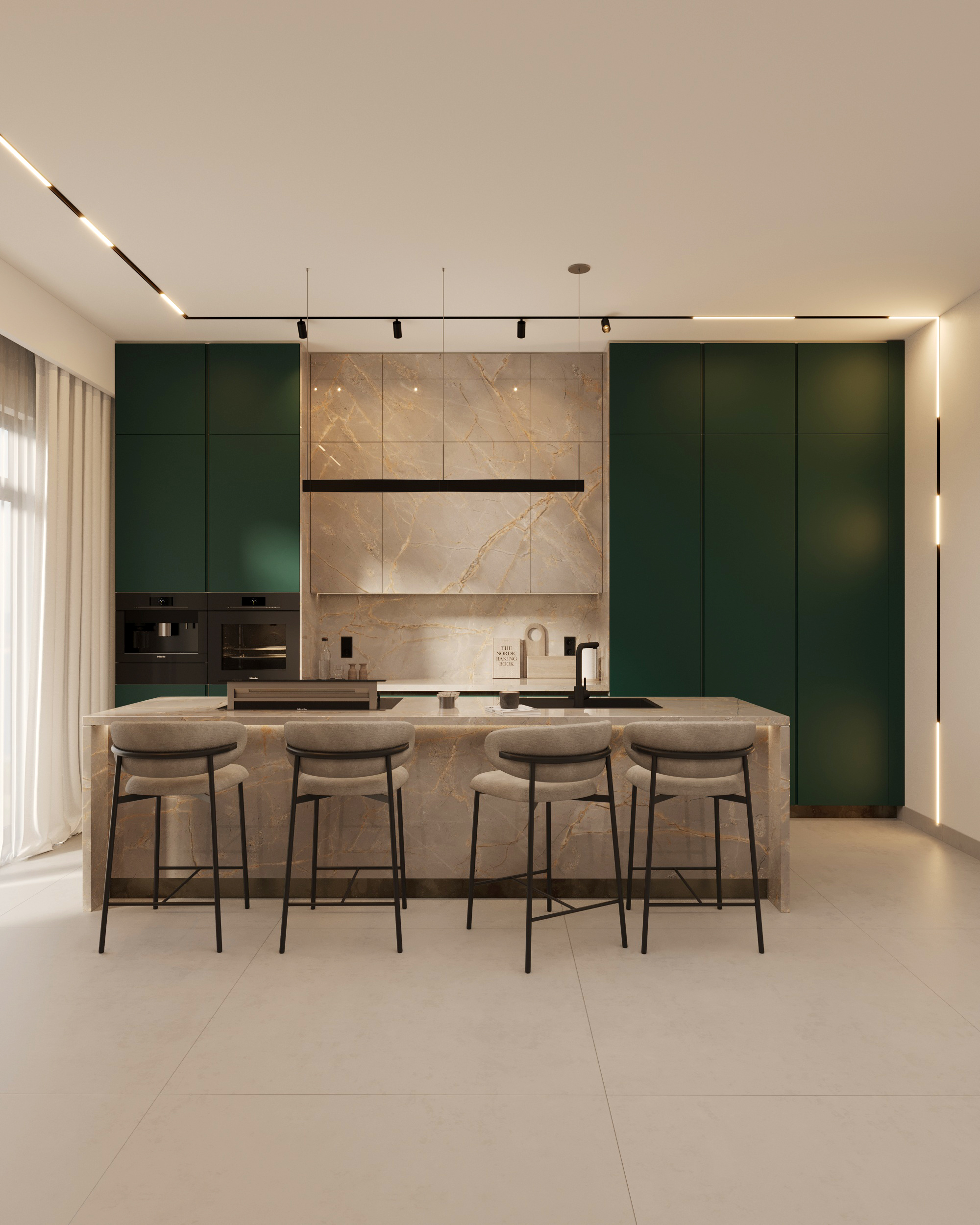
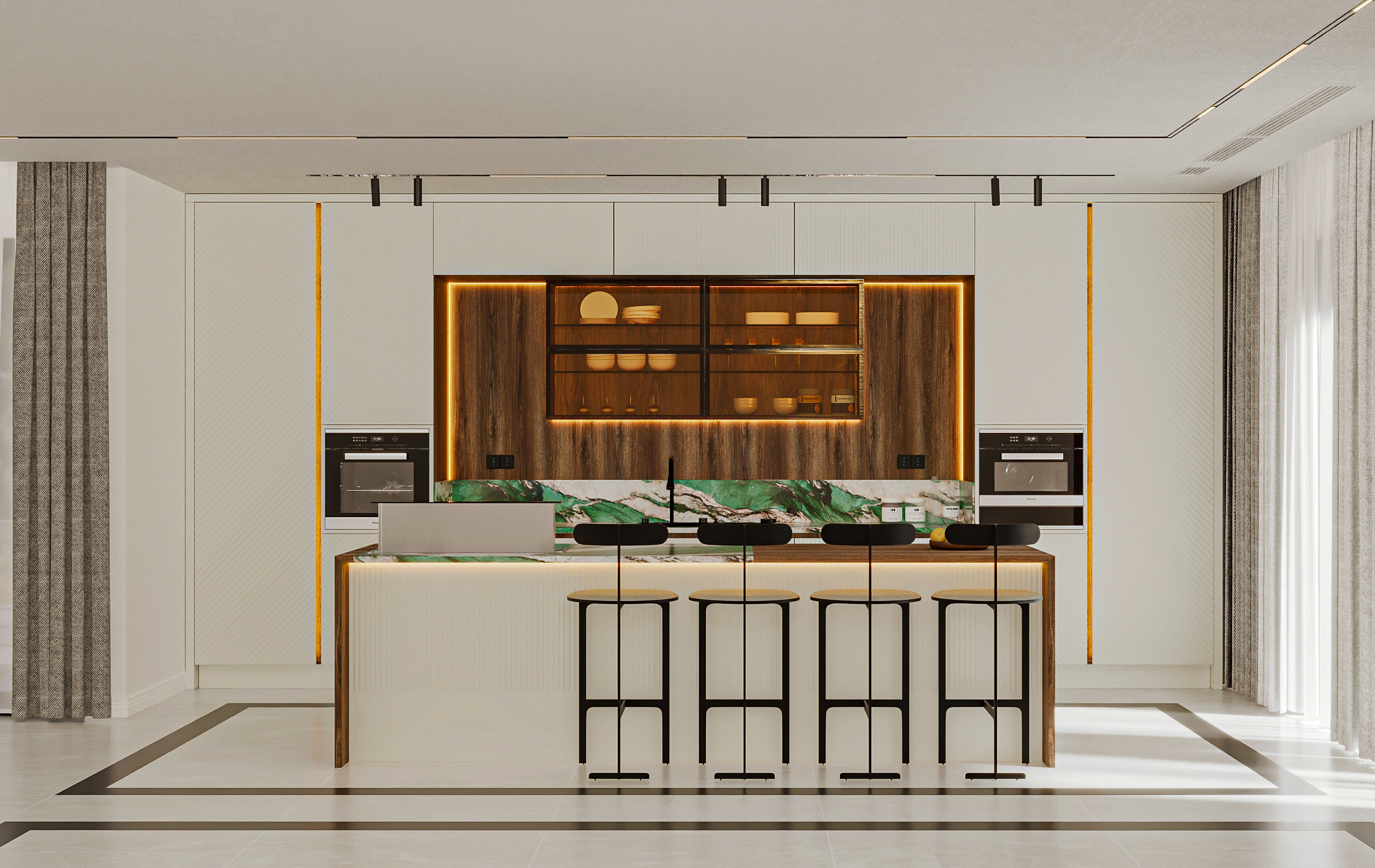
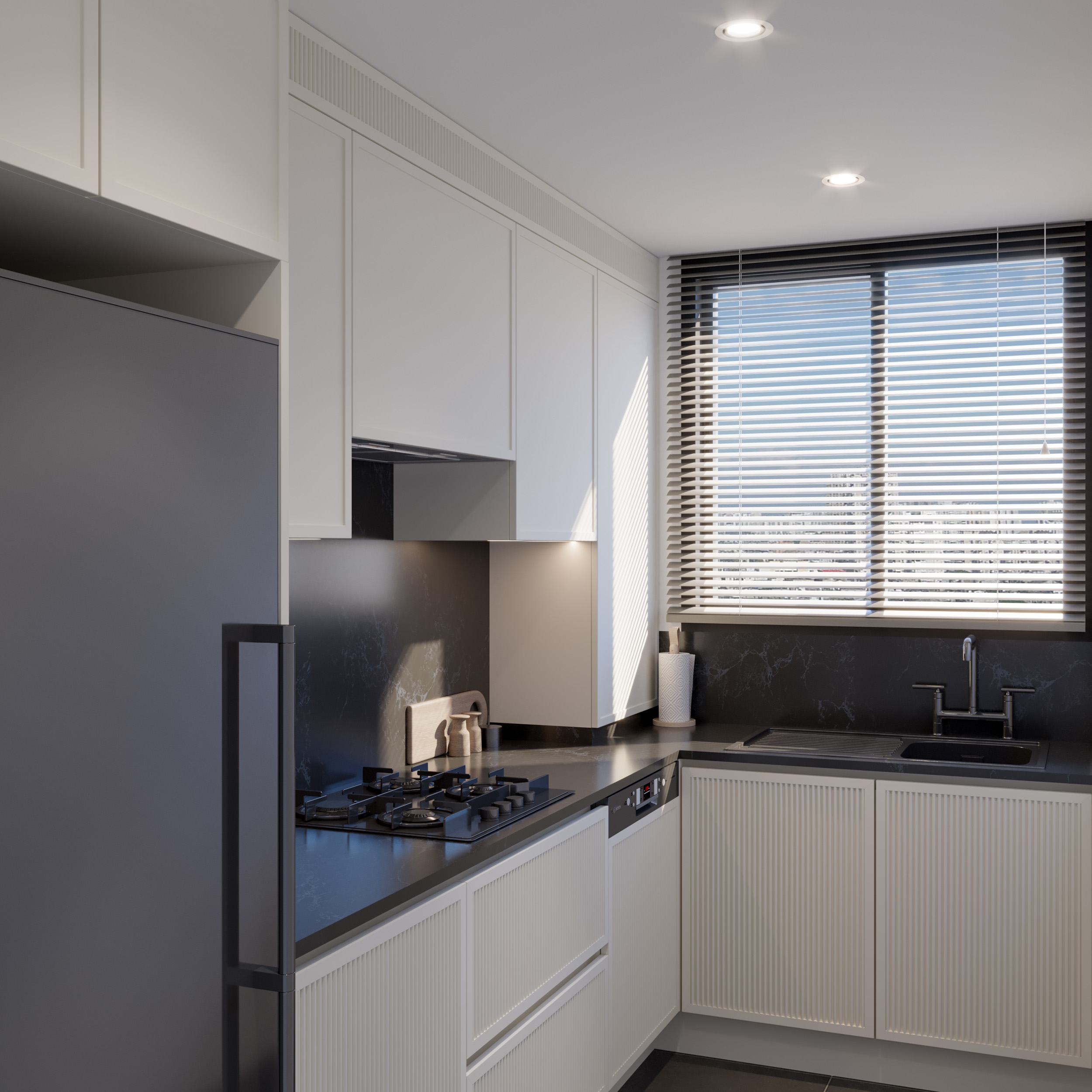
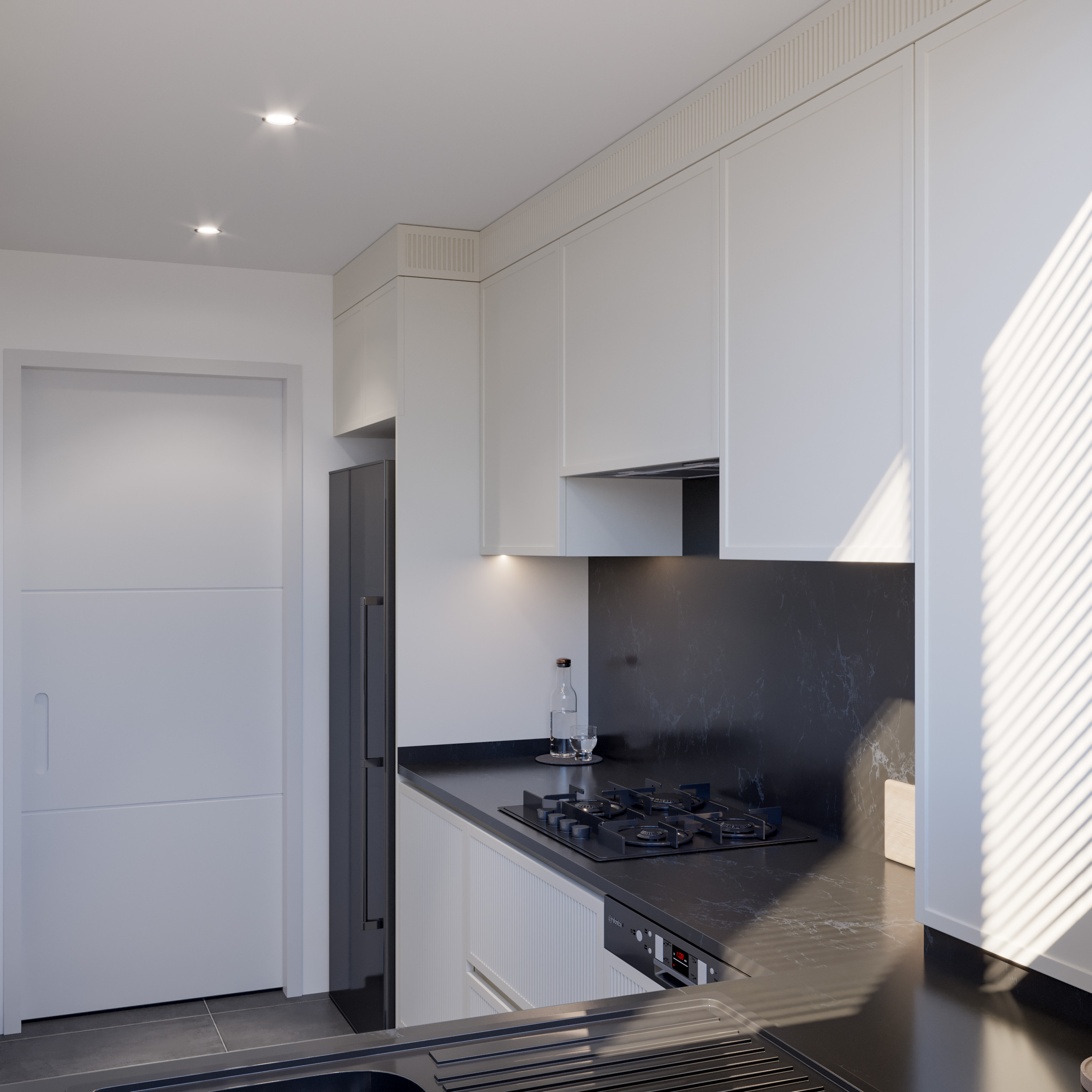
Small Kitchen is a project where spatial limitation is transformed into a design discipline advantage. With minimalist planning and color strategy, it turns a narrow-volume kitchen into a spacious, functional, and aesthetic interior. In small kitchens, correct planning is not only about “making the space look larger”; it is built on making daily rhythm more efficient.
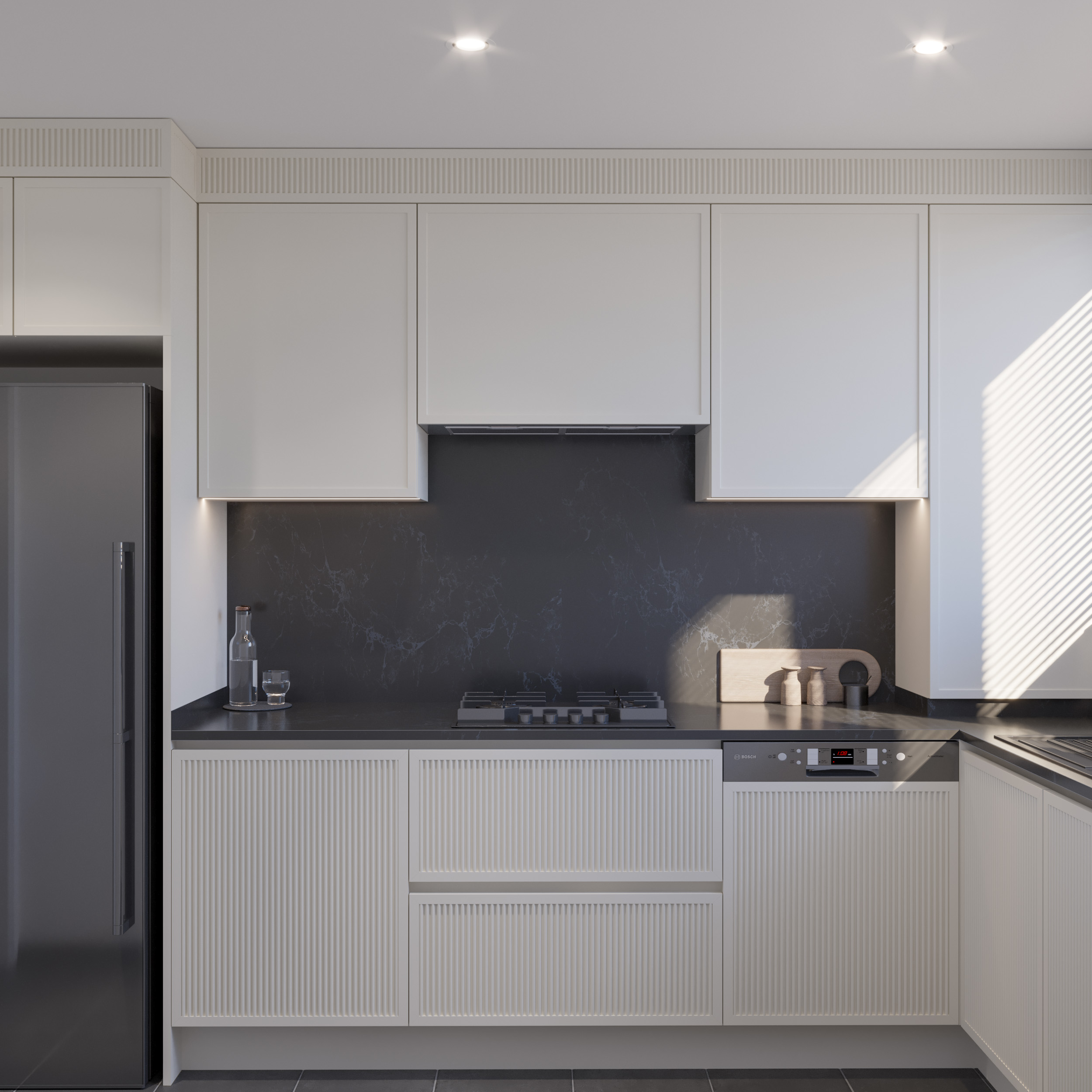
This project preserves modern kitchen aesthetics even at a small scale with lacquer surfaces, quartz countertops, and a built-in integrated design approach.
Planning – Function – Flow
Turning Space Constraints into Advantage
Small kitchens transform the limitations brought by narrow volume into an advantage with the right design decisions:
- L-shaped plan or parallel layout makes the space compact yet fluid
- Built-in appliances are integrated into the body to increase space efficiency
- Vertical storage is maximized with upper units
- The work triangle (cooktop–sink–refrigerator) maintains functional flow — in small spaces, this arrangement provides significant benefit with disciplined planning
Form Language – Material – Surface
Lacquer Cabinet Doors – Modern and Spacious
In small kitchens, white or light-toned lacquer surfaces are preferred to increase the reflection capacity of light.
Lacquer paint provides a smooth, homogeneous, and minimal facade structure — reduces visual clutter and makes the space feel larger.
Lacquer surfaces that can be painted according to RAL color catalogue standards ensure color consistency and quality control in production.
Quartz Countertop – Durability + Function
Quartz countertops provide high scratch resistance, stain resistance, and excellent hygiene.
Light-toned countertop texture creates a sense of spaciousness and continuity together with lacquer cabinets.
In small kitchens, surface continuity minimizes visual focus and makes the space appear more organized.
Built-in Integration – Order + Unity
Integrating elements such as built-in cooktop, oven, and hood into the cabinet body provides a clean facade line.
This approach creates perceptual emptiness in small kitchens — instead of device details breaking the cabinet surface, it offers a single-line appearance.
Spatial Effect – Light – Volume
The light color palette and lacquer surfaces contribute to the perception of a larger space by reflecting daylight at maximum level.
Extending upper cabinets up to the ceiling increases storage capacity while strengthening the perception of architectural height.
In small volumes, material rhythm and surface continuity make the space calmer and more organized.