Introduction: When Space Becomes a Brand
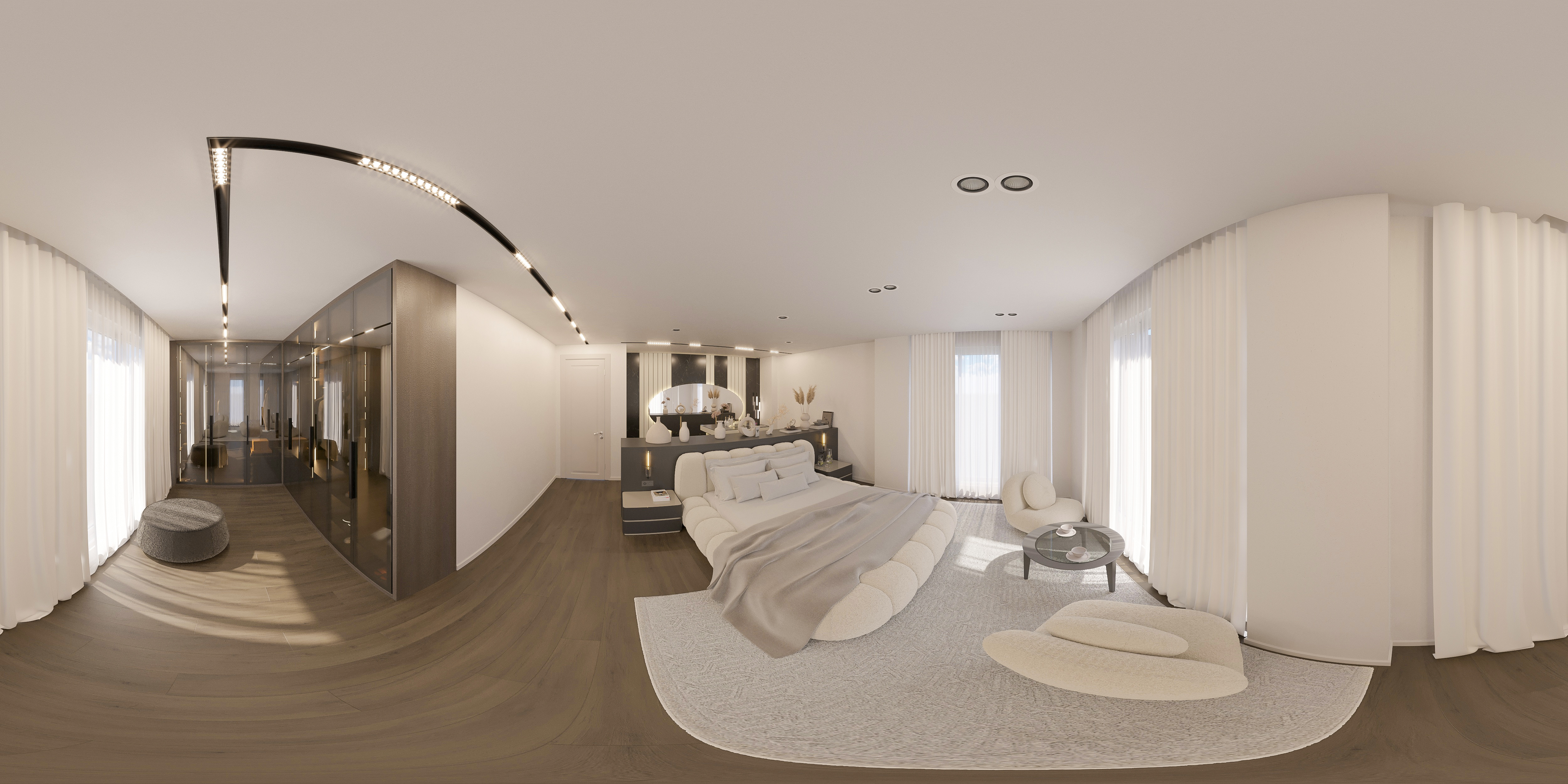
In today’s competitive market, a brand is no longer defined only by its logo, website, or marketing materials. Physical space has become one of the most powerful tools for communicating identity.
A well-designed commercial space does more than function—it tells a story.
Whether it is a retail store, office, café, showroom, or hospitality environment, every design decision contributes to how a brand is perceived. Customers may not consciously analyze materials, lighting, or layout, but they immediately feel the atmosphere.
That feeling shapes trust, recognition, and ultimately purchasing behavior.
This is why reflecting brand identity in commercial space design is not just a design choice—it is a strategic decision.
What is Brand Identity in Spatial Design?
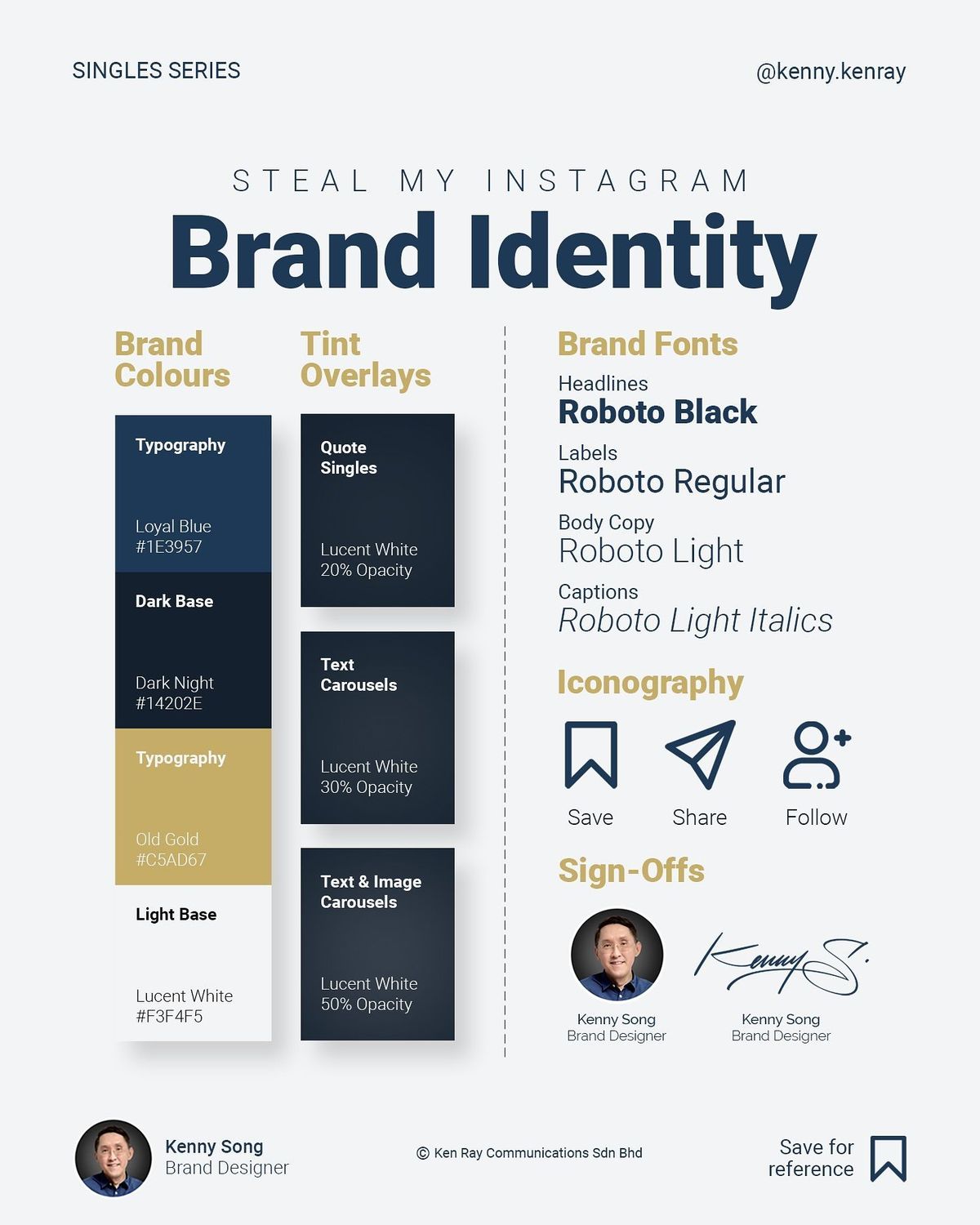
Brand identity is the combination of visual, emotional, and experiential elements that define how a brand presents itself.
In spatial design, this identity is translated into physical elements such as:
- Color palette
- Materials and textures
- Lighting strategy
- Furniture design
- Spatial organization
- Signage and graphics
- Sensory experience
The goal is consistency. A customer should feel the same identity whether they interact with the brand online or physically.
Why Brand Identity Matters in Commercial Spaces
Commercial spaces are not neutral environments—they are experience platforms.
Key benefits of strong brand integration:
1. Immediate recognition
Customers quickly understand what the brand represents.
2. Emotional connection
A well-designed space creates a memorable experience.
3. Competitive advantage
Distinctive environments stand out in crowded markets.
4. Increased customer engagement
People spend more time in spaces that feel cohesive and intentional.
5. Higher sales potential
Experience-driven design directly impacts purchasing behavior.
A strong spatial identity transforms a space into a brand experience.
Translating Brand Identity into Design
The challenge is not understanding the brand—it is translating it into space.
1. Understanding the Brand Core
Before designing, it is essential to define:
- Brand values
- Target audience
- Tone (luxury, minimal, playful, industrial, etc.)
- Market positioning
Without this clarity, design decisions become inconsistent.
2. Color as a Branding Tool
Color is one of the most direct ways to express identity.
- Luxury brands → neutral, muted tones
- Youth-oriented brands → vibrant, dynamic palettes
- Tech brands → clean, minimal colors
Color should be used consistently but not excessively.
3. Material Selection
Materials communicate quality and character.
Examples:
- Natural wood → warmth, authenticity
- Metal → industrial, modern
- Stone → premium, timeless
- Glass → transparency, openness
Material choices should reflect the brand’s personality.
4. Lighting Strategy
Lighting shapes perception.
- Soft lighting → calm, intimate atmosphere
- Bright lighting → energetic, functional
- Accent lighting → highlights key areas
Lighting should reinforce the brand mood.
5. Spatial Layout and Flow
Layout affects how users experience the space.
- Clear circulation improves usability
- Strategic placement guides movement
- Zoning defines different functions
Good layout design supports both function and storytelling.
6. Furniture and Custom Elements
Custom-designed furniture strengthens identity.
- Unique forms
- Consistent materials
- Integrated branding elements
Off-the-shelf solutions rarely create a strong identity.
Designing for Customer Experience
Commercial design is not only about appearance—it is about experience design.
Key considerations:
First impression
Entrance design sets expectations immediately.
Movement through space
Circulation should feel intuitive and engaging.
Interaction points
Touchpoints such as counters, displays, and seating areas matter.
Comfort
Temperature, acoustics, and lighting affect how long users stay.
A successful space guides users naturally without confusion.
Brand Identity Across Different Commercial Spaces
Retail Spaces
Focus:
- Product visibility
- Customer flow
- Visual attraction
Design must encourage exploration and purchase.
Offices
Focus:
- Brand culture
- Employee experience
- Productivity
Workspaces should reflect company values internally.
Hospitality (Cafés, Restaurants, Hotels)
Focus:
- Atmosphere
- Comfort
- Memorability
Experience is often more important than function alone.
Showrooms
Focus:
- Product presentation
- Brand storytelling
- Controlled experience
The environment should highlight the product without distraction.
Common Mistakes in Brand-Oriented Design
Over-branding
Too many logos or colors create visual chaos.
Ignoring functionality
A visually strong space that does not work well fails quickly.
Inconsistency
Mixing different styles weakens identity.
Copying trends
Following trends instead of brand identity creates generic spaces.
The Role of Interior Architects
Interior architects play a key role in translating brand identity into physical space.
They:
- Interpret brand values
- Develop spatial concepts
- Select materials and finishes
- Design lighting strategies
- Create cohesive environments
Their role bridges branding and spatial design.
The Impact on Sales and Business Performance
Design directly influences customer behavior.
Key impacts:
- Increased dwell time
- Improved brand perception
- Stronger emotional connection
- Higher conversion rates
A well-designed commercial space is not just an expense—it is an investment.
Future Trends in Commercial Design
- Experience-driven spaces
- Hybrid physical-digital environments
- Sustainable branding
- Personalized customer journeys
Brands are moving from selling products to selling experiences.
Practical Tips for Businesses
- Define your brand clearly before designing
- Work with professionals who understand both design and branding
- Avoid copying competitors
- Focus on long-term identity
- Invest in quality materials
Your space should represent your brand at every level.
Conclusion: Designing a Brand, Not Just a Space
A commercial space is one of the most powerful expressions of a brand.
It communicates:
- Values
- Quality
- Identity
- Experience
When architecture and interior design align with branding, the result is not just a functional space—it is a memorable brand environment.