Introduction: Why Material Quality Defines Everything
Furniture design is often evaluated based on form, style, and visual appeal. However, behind every well-designed piece lies a critical factor that determines its success or failure: material quality.
A beautifully designed piece of furniture can lose its value quickly if it is made from low-quality materials. Conversely, even a simple design can feel premium, durable, and timeless when constructed with the right materials.
Material quality affects not only how furniture looks, but also:
- How it performs
- How long it lasts
- How it feels to use
- How it ages over time
In both residential and commercial projects, material selection is one of the most important decisions in furniture design and production.
What Does Material Quality Mean?
Material quality refers to the physical, mechanical, and visual properties of a material that determine its performance.
Key aspects of material quality:
- Strength and durability
- Resistance to wear and damage
- Surface quality and finish
- Stability over time
- Consistency in production
High-quality materials are not just stronger—they are also more reliable and predictable.
Why Material Quality Matters in Furniture Design
1. Durability and Longevity
Furniture is used daily. It must withstand:
- Weight and pressure
- Movement and friction
- Environmental conditions
Low-quality materials degrade quickly, leading to:
- Scratches
- Cracks
- Structural instability
High-quality materials ensure long-term performance and reduce replacement costs.
2. Aesthetic Value
Material quality directly influences visual perception.
- Smooth finishes feel premium
- Natural textures add depth
- Consistent surfaces create refinement
Poor materials often:
- Show imperfections
- Lose color over time
- Appear cheap
A design’s visual success depends heavily on the quality of its materials.
3. User Experience
Furniture is not only seen—it is touched and used.
Material quality affects:
- Comfort
- Tactile experience
- Temperature perception
- Acoustic response
For example:
- Solid wood feels warm and natural
- Cheap laminates may feel artificial
- High-quality upholstery improves comfort
User experience is closely tied to material choice.
4. Structural Integrity
Furniture must remain stable over time.
Low-quality materials can cause:
- Warping
- Joint failure
- Instability
High-quality materials maintain their shape and strength, ensuring safety and reliability.
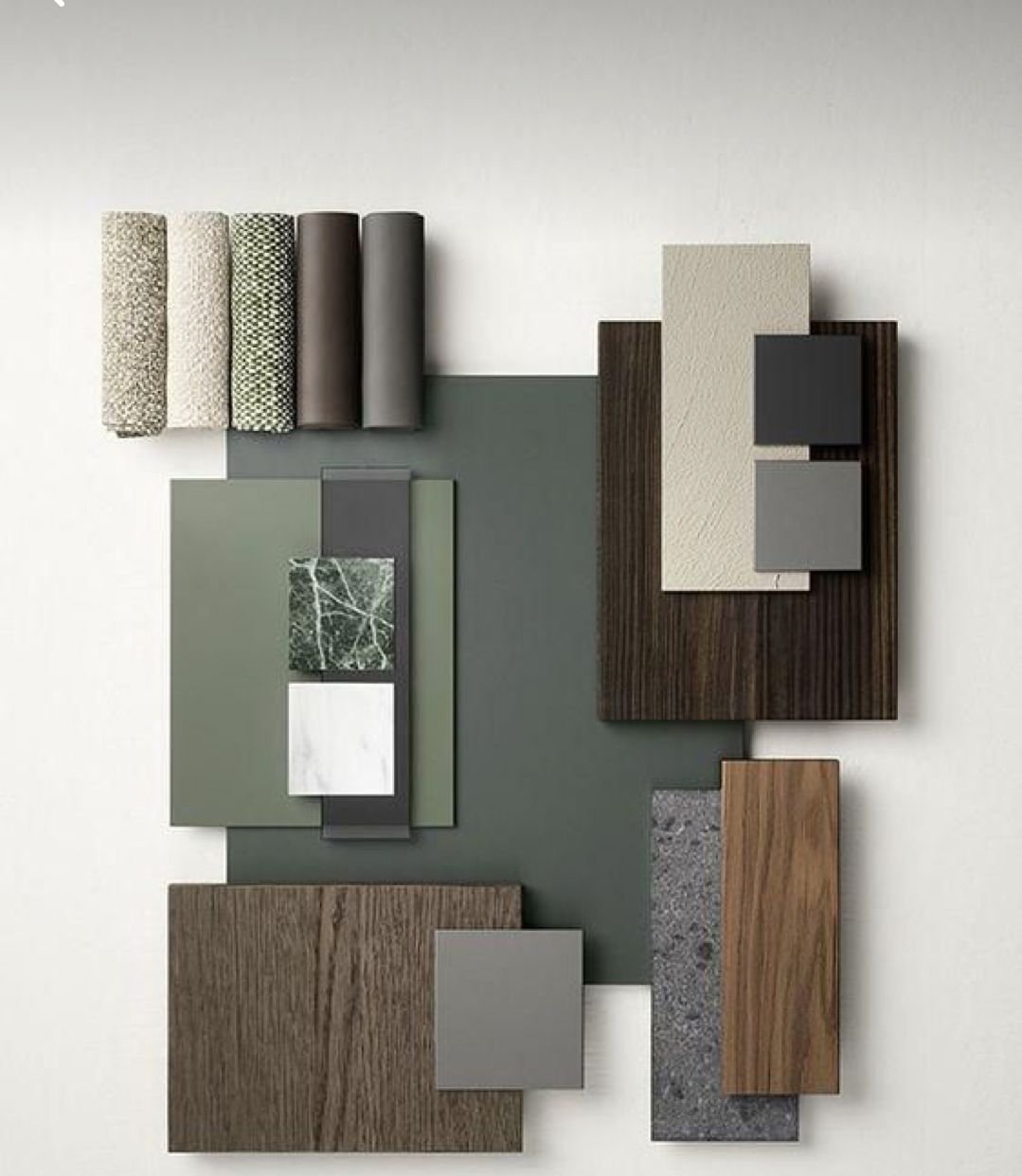
Common Materials Used in Furniture Production
1. Solid Wood
- Durable and natural
- High aesthetic value
- Long lifespan
Best for high-end furniture.
2. Engineered Wood (MDF, Plywood)
- Cost-effective
- Consistent structure
- Suitable for various applications
Widely used in modern production.
3. Metal
- Strong and durable
- Industrial aesthetic
- Long-lasting
Used in frames and structural elements.
4. Glass
- Modern appearance
- Adds lightness
- Requires careful handling
5. Upholstery Materials
- Fabric → comfort and variety
- Leather → durability and luxury
Material Quality and Production Process
Material quality affects every stage of production.
1. Manufacturing Precision
High-quality materials:
- Are easier to process
- Provide better finishing results
- Reduce production errors
2. Joinery and Assembly
Strong materials improve:
- Joint stability
- Structural performance
- Overall durability
3. Finishing Quality
Surface finishes depend on material quality.
- Smooth surfaces → better finishes
- Poor materials → visible imperfections
Cost vs Quality: Finding the Balance
Material quality often comes with higher cost—but it should be seen as an investment.
Considerations:
- Initial cost vs long-term value
- Maintenance requirements
- Replacement frequency
Cheap materials may save money initially but lead to higher costs over time.
Material Selection in Different Contexts
Residential Furniture
Focus:
- Comfort
- Aesthetic value
- Long-term use
Commercial Furniture
Focus:
- Durability
- Heavy use resistance
- Easy maintenance
Hospitality Projects
Focus:
- High durability
- Premium appearance
- Frequent use
Common Mistakes in Material Selection
Choosing based only on cost
Low-cost materials often compromise quality.
Ignoring usage conditions
Materials must match how furniture will be used.
Overlooking maintenance
Some materials require more care than expected.
Mixing incompatible materials
Can lead to structural or aesthetic issues.
The Role of Designers and Manufacturers
Interior architects and furniture designers ensure:
- Proper material selection
- Alignment with design concept
- Technical feasibility
- Cost control
Manufacturers ensure:
- Quality production
- Proper assembly
- Finishing accuracy
Collaboration is essential for successful results.
Sustainability and Material Quality
High-quality materials are often more sustainable.
Why:
- Longer lifespan → less waste
- Better performance → fewer replacements
- Efficient use of resources
Sustainability is closely linked to durability.
Future Trends in Furniture Materials
- High-performance composites
- Sustainable materials
- Smart materials
- Minimalist material palettes
Material innovation continues to shape furniture design.
Practical Tips
- Invest in key materials
- Test samples before production
- Consider long-term use
- Balance cost and quality
- Work with reliable manufacturers
Conclusion: Quality is the Real Luxury
Material quality is one of the most important factors in furniture design and production.
It defines:
- Durability
- Aesthetic value
- User experience
- Long-term performance
A good design can attract attention—but material quality ensures it lasts.