Introduction: What Makes Turnkey Projects Different?
In traditional construction and design workflows, responsibilities are often divided among multiple parties—architects, contractors, suppliers, and consultants. While this approach can work, it often leads to coordination challenges, communication gaps, and delays.
Turnkey projects offer a different model.
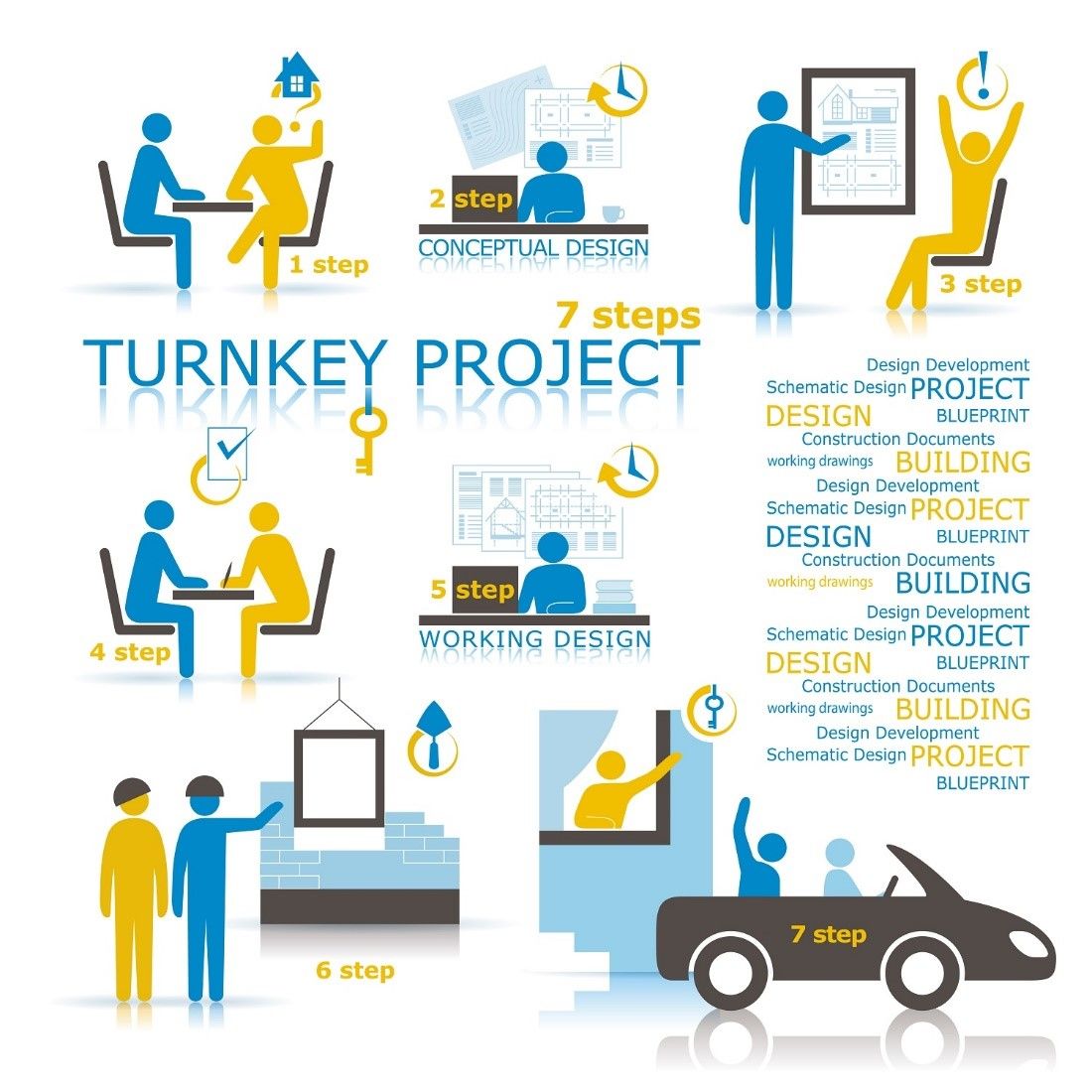
A turnkey project is a delivery method where a single entity is responsible for the entire process—from concept design to final execution. The client receives a completed, ready-to-use space—essentially, they can “turn the key” and start using it immediately.
However, this convenience comes with a requirement:
strong strategic planning.
Without a well-structured strategy, turnkey projects can quickly become complex, inefficient, and difficult to control.
What is a Turnkey Project?
A turnkey project is a comprehensive service model that includes:
- Design development
- Material selection
- Technical documentation
- Construction and implementation
- Final delivery
The main advantage is centralized responsibility.
Instead of managing multiple parties, the client works with a single team that oversees the entire process.
Why Strategic Planning is Critical
Turnkey projects combine multiple phases into one integrated workflow. This makes planning even more important than in traditional projects.
Key benefits of strategic planning:
- Clear project roadmap
- Better cost control
- Faster decision-making
- Reduced risk of errors
- Strong coordination between phases
Without planning, the complexity of turnkey delivery can lead to confusion and inefficiency.
Key Phases of Strategic Planning
1. Project Definition
The process begins with defining the project clearly.
Includes:
- Scope of work
- Client expectations
- Budget range
- Timeline
A well-defined project reduces uncertainty.
2. Concept and Design Strategy
At this stage, the design vision is established.
Focus:
- Design language
- Functional requirements
- Material direction
In turnkey projects, design decisions must consider execution from the beginning.
3. Budget Planning
Budget is one of the most critical factors.
Key steps:
- Cost estimation
- Material pricing
- Labor costs
- Contingency planning
Accurate budgeting prevents financial issues later.
4. Timeline Planning
Time management is essential in turnkey projects.
Includes:
- Project schedule
- Milestones
- Delivery deadlines
A clear timeline ensures smooth progress.
5. Procurement Strategy
Material and product selection must be aligned with availability.
Considerations:
- Supplier reliability
- Delivery times
- Quality control
Procurement delays can impact the entire project.
6. Execution Planning
Execution must be carefully coordinated.
Focus:
- Construction sequencing
- Team coordination
- Quality standards
This phase connects planning with reality.
Advantages of Turnkey Projects
1. Single Point of Responsibility
Clients communicate with one team, reducing confusion.
2. Time Efficiency
Integrated workflows speed up the process.
3. Cost Control
Better coordination reduces unexpected expenses.
4. Consistent Design Quality
Design and execution are aligned.
Challenges in Turnkey Projects
1. Complexity
Managing all phases requires strong coordination.
2. Dependence on One Team
The success of the project relies heavily on the chosen provider.
3. Limited Flexibility
Late changes can be difficult to implement.
Strategies for Successful Turnkey Projects
1. Define Clear Objectives
Ensure all stakeholders understand project goals.
2. Integrate Design and Execution Early
Avoid separating design decisions from construction realities.
3. Choose Reliable Partners
Work with experienced teams and suppliers.
4. Monitor Progress Continuously
Regular updates prevent delays and errors.
5. Plan for Risks
Identify potential issues early and prepare solutions.
Role of Interior Architects and Project Managers
In turnkey projects, professionals take on expanded roles.
They:
- Lead design development
- Coordinate execution
- Manage budgets and timelines
- Ensure quality control
Their role is both creative and managerial.
Turnkey Projects in Different Sectors
Residential Projects
Focus:
- Custom solutions
- Comfort
- Personalization
Commercial Projects
Focus:
- Efficiency
- Branding
- Fast delivery
Hospitality Projects
Focus:
- High-quality finishes
- Strict deadlines
- Consistent experience
Technology in Turnkey Planning
Modern tools improve project efficiency.
Examples:
- BIM systems
- Project management software
- Real-time communication tools
Technology enhances coordination and accuracy.
Common Mistakes in Turnkey Projects
Poor planning
Leads to delays and budget issues.
Lack of communication
Creates misunderstandings.
Unrealistic expectations
Results in project failure.
Ignoring quality control
Reduces long-term performance.
Practical Tips for Clients
- Choose experienced providers
- Define expectations clearly
- Avoid frequent design changes
- Monitor progress regularly
- Focus on long-term quality
Conclusion: Strategy is the Key to Success
Turnkey projects offer efficiency, convenience, and integrated delivery—but only when supported by strong strategic planning.
A well-managed turnkey project ensures:
- Smooth workflow
- Cost efficiency
- High-quality results
In the end, success is not just about completing the project it is about delivering a fully functional, refined, and ready-to-use space.